Cessna Nose Gear Strut Assembly: Front Landing Gear Maintenance Solution
Cessna Nose Gear Strut Assembly: Front Landing Gear Maintenance Solution
Blog Article
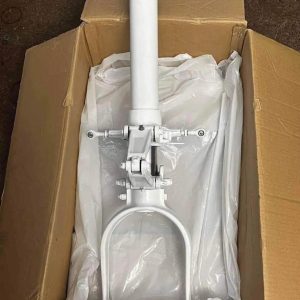
The Cessna Nose Gear Strut Assembly may serve as a replacement, overhaul, restoration, maintenance, or spare-inventory component when its exact part number, configuration, condition, and applicability are confirmed.
A Cessna Nose Landing Gear Strut may form part of a broader Cessna Nose Gear Assembly, while the phrase Cessna Landing Gear Strut can describe different positions or configurations depending on the aircraft model.
The Cessna Front Landing Gear Assembly, Aircraft Nose Gear Strut, Aircraft Nose Landing Gear Assembly, and Cessna read more Shock Strut Assembly terms describe related ground-support and impact-management components.
These related terms help connect the product with aircraft owners, maintenance facilities, restorers, and general aviation parts buyers.
A Cessna Replacement Nose Gear should correspond with the receiving aircraft’s approved configuration rather than being selected through appearance alone.
Reviewing the Cessna Front Gear Configuration
Every dash number, suffix, revision, modification, and subcomponent marking should be recorded because similar-looking Cessna nose gear assemblies may not be interchangeable.
The buyer should determine whether the listing includes a complete Cessna Nose Gear Assembly or only selected parts of the system.
Understanding Ground Loads on the Front Gear
Actual load distribution depends on aircraft weight, center of gravity, tire pressure, landing technique, surface condition, and aircraft configuration.
Any evidence of previous impact should be disclosed and investigated.
Shock Absorption and Strut Compression
Proper operation depends on correct servicing, internal condition, seal integrity, surface finish, alignment, and absence of contamination.
The aircraft’s actual loaded condition affects visible strut extension and should be considered during evaluation.
Maintaining Predictable Taxi Control
The nose gear may interact with the aircraft steering system through collars, torque links, rods, springs, cables, stops, bushings, or other model-specific mechanisms.
The buyer should inspect torque links, attachment bolts, bushings, bearings, and pivot points for looseness or wear.
Selecting the Correct Replacement Nose Gear
Compatibility depends on the exact Cessna model, aircraft serial-number range, landing-gear configuration, part number, modification status, wheel arrangement, steering system, and surrounding structure.
Cross-reference information should be verified carefully and should include any required supersedures or installation changes.
Checking Chrome and Machined Surfaces
Sliding and sealing surfaces must remain within acceptable condition because defects can damage seals and contribute to leakage or sticking.
Internal wear can result from contamination, damaged seals, misalignment, corrosion, or prolonged operation with incorrect servicing.
Preventing Contamination and Seal Damage
A small film of fluid and an active leak should be distinguished using applicable maintenance guidance.
Seal replacement should use components appropriate to the exact strut assembly and aircraft configuration.
Evaluating Coastal and Outdoor Storage Damage
Complete corrosion inspection supports responsible General Aviation Landing Gear Parts purchasing.
Protective coatings should be checked for chips, lifting, abrasion, bubbling, poor adhesion, and incompatible refinishing.
Evaluating a Used Cessna Nose Gear
The assembly should be inspected for cracks, bending, twisting, damaged welds, distorted mounting features, and impact marks.
A damaged assembly may also indicate concerns in the surrounding airframe structure.
Maintaining Wheel and Tire Geometry
A complete strut listing should state whether the fork, axle, spacers, wheel, bearings, tire, and hardware are included.
Wheel bearings, seals, spacers, and retaining hardware should be evaluated separately rather than assumed serviceable because they are attached to the assembly.
Evaluating Wear and Side Play
Tightening hardware alone may not correct worn bushings or elongated holes.
Pivot points should move freely without binding while remaining within acceptable play limits.
Diagnosing Cessna Nose Gear Handling Concerns
Operational reports should identify when the vibration occurs and under what taxi or landing conditions.
Measurements and operational checks should support the maintenance decision.
Fluid and Pressure Maintenance
Qualified maintenance supports predictable Cessna Shock Strut Assembly operation.
Extension should be evaluated under the loading condition specified by applicable maintenance data.
Documenting Landing Gear Repair Work
Clear terminology helps buyers understand the actual condition of the assembly.
Reconditioning decisions depend on structural condition, dimensional limits, corrosion depth, surface damage, repair data, parts availability, and cost.
Cessna Front Gear Condition Review
Detailed review reduces unsuitable purchases and unexpected overhaul costs.
- Confirm the complete Cessna part number, dash number, serial or casting markings, aircraft model, serial-range applicability, strut type, dimensions, and configuration.
- Confirm total time when known, removal reason, donor aircraft, overhaul history, servicing status, seal replacement, and inspection results.
- Confirm the sales invoice, payment protection, packaging method, freight insurance, inspection period, return terms, and stated assembly condition.
Preventing Damage to the Piston and Fork
The assembly should be secured in a rigid crate or suitable container that supports its weight without loading the piston, fork, fittings, steering components, or delicate surfaces.
Careful freight preparation reduces damage to the Cessna Landing Gear Assembly.
Protecting the Cessna Nose Strut
Openings should remain protected from contamination.
Organized storage supports the commercial value of General Aviation Landing Gear Parts.
Completing Wheel and Strut Alignment
Incorrect bolts, improvised spacers, damaged threads, or forced alignment should not be accepted.
Disciplined workmanship supports reliable Cessna Front Landing Gear Assembly operation.
Any abnormal indication should receive prompt evaluation before further operation.
Caring for the Strut, Fork, and Steering System
Lubrication and servicing should follow the applicable maintenance schedule.
Preventive care protects the aircraft, occupants, and landing-gear components.
Evaluating Used Aircraft Gear Pricing
A recent professional inspection or overhaul can add value when the scope, findings, measurements, and replaced parts are documented accurately.
Total project cost may include the purchase price, freight, inspection, seals, bushings, bearings, hardware, wheel or tire components, overhaul labor, servicing, alignment, installation, and documentation.
Cessna Nose Gear Assembly Conclusion
The Cessna Nose Gear Strut Assembly can provide valuable replacement, restoration, overhaul, maintenance, inventory, or resale potential when its identity, configuration, condition, completeness, and aircraft applicability are verified.
Careful technical and commercial evaluation can reduce compatibility problems, missing-parts expenses, overhaul surprises, installation delays, steering concerns, and documentation issues.
Whether the product is described as a Cessna Nose Gear Shock Absorber, Cessna Landing Gear Assembly, Aircraft Landing Gear Strut, or Cessna Nose Wheel Strut, aircraft-specific compatibility remains essential.
With transparent records, protected shipping, correct steering and mounting compatibility, careful alignment, and appropriate maintenance, the Cessna nose gear can support a professional repair project.
Report this page